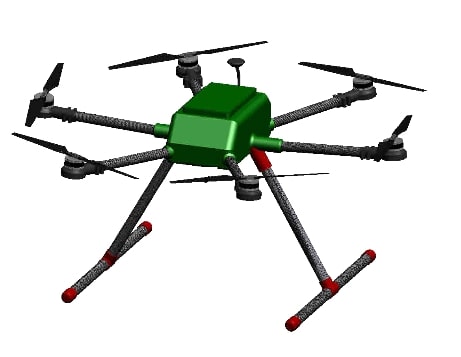
Tethered drones are UAV platforms connected to a ground station through a cable that provides continuous power and secure communication. This architecture enables long-duration aerial monitoring where standard battery drones may need frequent landing cycles.
What Makes Tethered Drones Different?
Unlike free-flying battery drones, tethered systems use a physical tether for persistent mission uptime. They are highly effective for fixed-area overwatch, temporary communication support, and event security operations.
Core Benefits
- Extended endurance through ground-powered flight
- Stable and secure data link through tether channel
- Lower risk of battery-related mission interruption
- Rapid launch for recurring surveillance tasks
Where They Are Used
- Surveillance and security perimeter monitoring
- Temporary telecom and network relay support
- Disaster response command observation points
- Broadcasting and live event aerial coverage
- Industrial and utility site awareness systems
Technology Trends
Recent development in tethered drone systems focuses on better power management electronics, low-latency data channels, and higher autonomy for station-keeping and mission automation. These upgrades are improving deployment quality in urban and tactical environments.
Future Scope
- Smart city surveillance infrastructure
- Continuous environmental monitoring zones
- Critical asset protection around strategic sites
- Emergency communication bridges in crisis areas
Operational Note
Tethered systems are ideal when persistent hover and reliable link are the priority. They are less suited for long-distance free-range reconnaissance, where untethered platforms remain more flexible.
Conclusion
Tethered drones are a specialized but highly valuable class of UAVs. Their continuous-power model makes them mission-effective for defense, emergency response, security, and critical infrastructure operations where sustained aerial presence is essential.