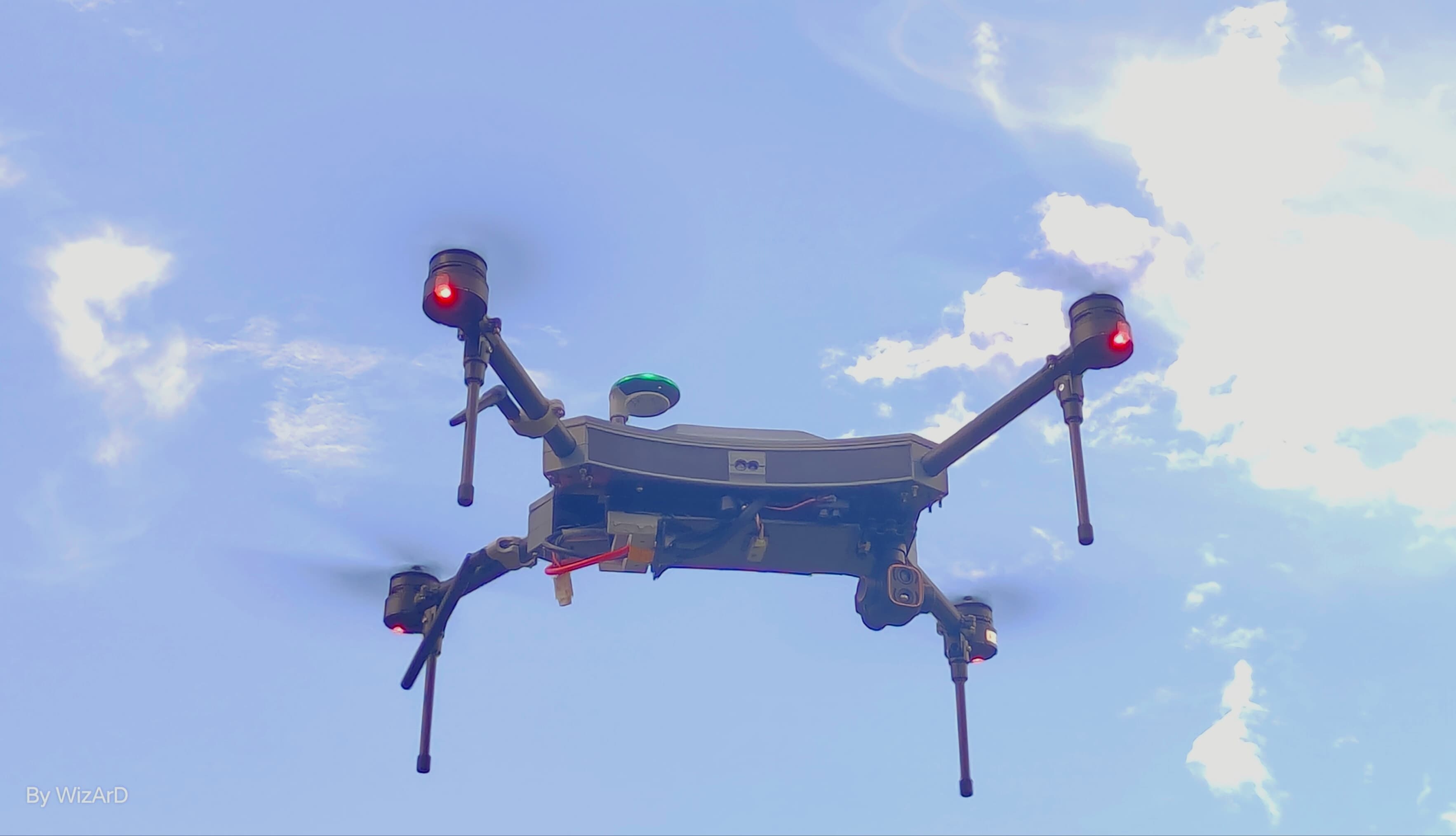
Quadcopters have become the default drone format for hobby, commercial, and enterprise missions. Their four-rotor architecture offers a practical balance of control, affordability, portability, and performance.
What Is a Quadcopter?
A quadcopter is a UAV with four rotors, usually arranged in X or square geometry. Two rotors spin clockwise and two counterclockwise. This opposing rotation keeps torque balanced and allows precise directional control.
Why Quadcopter Platforms Are Popular
- Simple mechanical layout and easier maintenance
- Lower cost than larger multi-rotor systems
- Compact size and easy transport
- Strong ecosystem of controllers, cameras, and accessories
- Suitable for beginners and professional pilots
Core Advantages
Ease of use: Stable flight control software and automatic modes make training faster for new operators.
Affordable deployment: Reduced component count lowers manufacturing and maintenance costs.
Energy efficiency: Four-motor setups can deliver good flight duration for mapping, surveillance, and visual inspection missions.
Wide model range: From compact sub-250 g classes to industrial quadcopters with advanced payload support.
Common Applications
- Aerial photography and cinematography
- Asset inspection and site monitoring
- Security patrol and short-range surveillance
- STEM education, research, and prototyping
- Basic crop monitoring for agricultural workflows
What to Check Before Choosing a Quadcopter
- Frame class and total takeoff weight
- Battery type and practical flight time
- Brushless motor quality and propeller size
- GPS/GNSS and return-to-home reliability
- Gimbal quality and camera specification
- Control range and video transmission quality
Operational Limitations
Compared with hexacopters or larger multi-rotors, quadcopters have lower payload headroom and less redundancy. If one motor fails, stable recovery is difficult. In very high wind, smaller airframes may need conservative flight profiles.
Who Should Use This Platform?
- New drone operators entering UAV operations
- Content creators and field media teams
- Educational institutes and robotics labs
- Inspection teams with moderate payload requirements
Final Note
For most users, quadcopters deliver the best first step into drone operations. They are cost-effective, widely supported, and practical across a broad range of real-world missions.